Whole Foods vs Processed: Clear Differences
Understanding the observable differences between minimally-processed and heavily-processed foods and their nutritional implications.
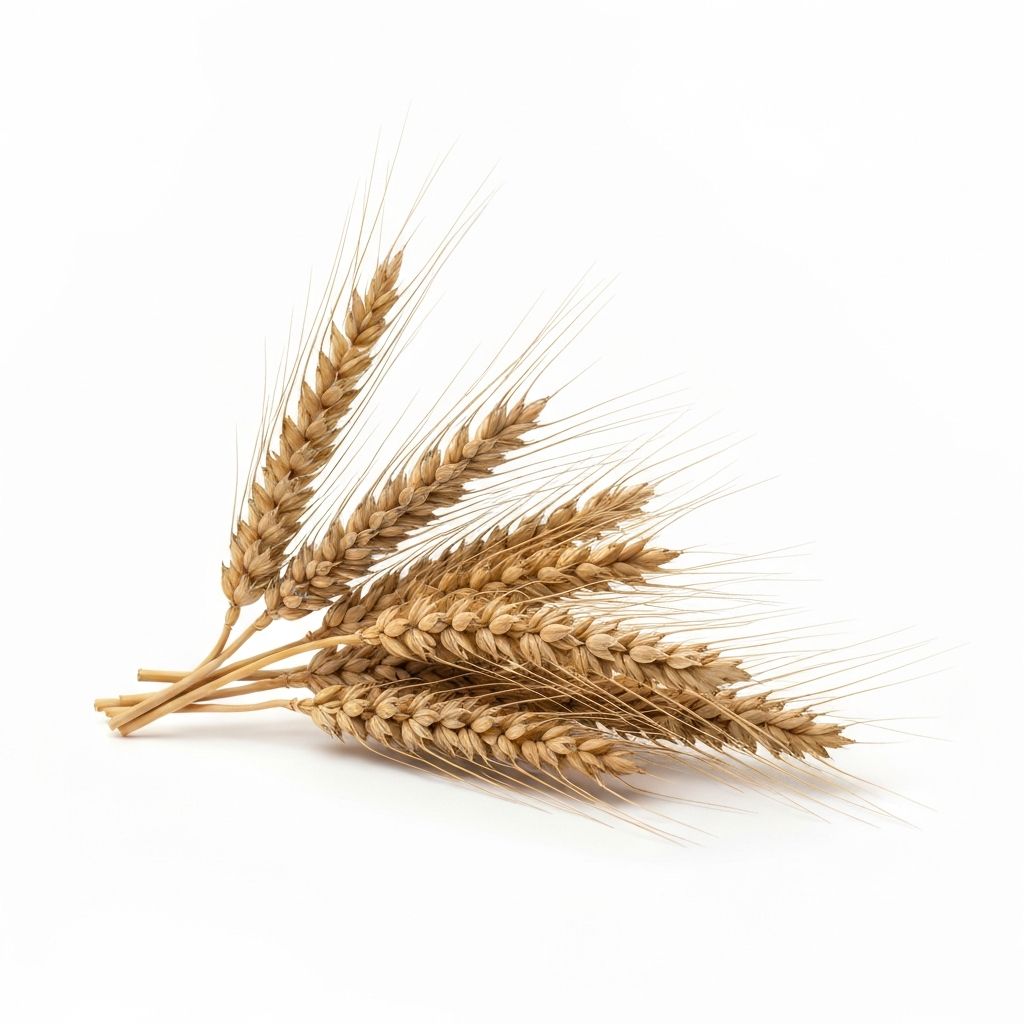
What Are Whole Foods?
Whole foods are foods that appear in nature or undergo minimal processing to preserve their original composition. They retain the nutrients, fibre, and compounds present in their original form.
Examples of whole foods:
- Vegetables and fruits (fresh, frozen, or canned without added sugar)
- Legumes (beans, lentils, peas)
- Whole grains (oats, brown rice, quinoa, whole wheat)
- Nuts and seeds
- Meat, fish, and eggs
- Plain dairy products (milk, yoghurt, cheese)
What Is Food Processing?
Processing ranges from minimal (freezing vegetables) to extensive (formulating ultra-processed products). Not all processing is equivalent.
Minimal processing: Freezing, canning, drying, pasteurisation. These preserve nutrients and allow food preservation without significant composition changes.
Moderate processing: Combining ingredients and cooking. Examples: wholemeal bread, canned soup, jarred pasta sauce.
Extensive processing: Disassembling foods into constituent parts, removing components, and recombining with additives. Examples: snack foods, confectionery, sugary beverages.
Clear Nutritional Differences
Micronutrient Content
Whole foods retain the vitamins, minerals, and phytonutrients present in their original form. Processing—particularly heat and refinement—can reduce these compounds.
Example: Whole grain wheat contains the bran (fibre, minerals, B vitamins) and germ (vitamins, minerals, phytonutrients). Refined white flour removes these components, leaving primarily starch and protein.
Fibre Content
Whole foods typically contain fibre; heavily processed foods often do not. Fibre supports digestive health, promotes satiety, and provides nutrition for beneficial gut bacteria.
Processing often removes fibre. When it's added back (e.g., "added fibre" snack bars), it's often a specific type rather than the complex fibre naturally present.
Added Substances
Heavily processed foods typically contain added sugars, salt, and/or unhealthy fats to enhance flavour, texture, or shelf stability. Whole foods naturally contain only the substances present in their original form.
Energy Density
Processed foods often have higher energy density (calories per gram) due to removal of fibre and water, concentration of energy-dense components (fat, sugar), and addition of energy-dense ingredients.
This high energy density can contribute to excessive intake because it's easy to consume substantial calories in a small volume of food.
Observable Differences in Composition
Whole grain bread vs. white bread: Whole grain retains bran and germ (fibre, micronutrients); white bread is refined starch.
Fresh apple vs. apple-flavoured snack bar: Fresh apple provides fibre, micronutrients, and natural sugars in food matrix; snack bar provides added sugar and minimal micronutrients.
Canned fish in water vs. processed fish paste: Canned fish retains protein, omega-3s, and micronutrients; fish paste is heavily processed with added substances.
Plain yoghurt vs. sugary yoghurt product: Plain yoghurt provides protein and probiotics; sweetened versions add substantial sugar.
Processing and Health Outcomes
Research observes associations between higher consumption of ultra-processed foods and adverse health outcomes (obesity, type 2 diabetes, cardiovascular disease), while higher consumption of whole foods associates with better outcomes.
This likely reflects multiple mechanisms: higher energy density of processed foods, reduced satiety signalling, micronutrient inadequacy, and the physiological effects of processed food components.
Practical Clarity
Understanding the clear differences between whole and processed foods explains why food source matters nutritionally. It acknowledges that two foods with equivalent macronutrients and energy can have vastly different nutritional value due to micronutrient content, fibre, and food structure.
This distinction doesn't require eliminating all processed foods. Minimally processed items (frozen vegetables, canned fish) retain nutritional value. The distinction is most relevant for ultra-processed foods that add little nutritional value while adding excessive salt, sugar, or unhealthy fats.